
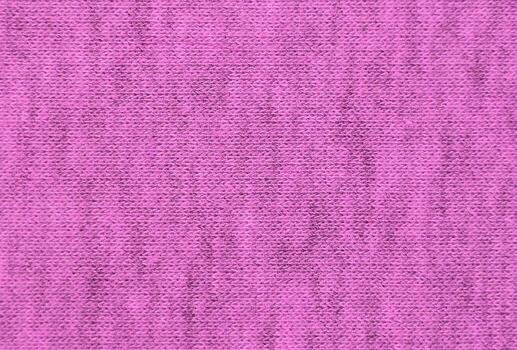
If you've ever ordered a blank t-shirt and seen "heather gray," "heather navy," or "tri-blend heather" in the description - and had absolutely no idea what that meant - you're not alone. Heather fabric is one of the most popular choices for custom apparel, but a lot of people in the printing world don't fully understand what it is or how it affects their DTF transfers.
Let's fix that.
What Is Heather Fabric, Exactly?
Heather fabric is made by blending two or more different-colored fibers together before the yarn is spun. The result is a fabric with a subtle, multi-tonal texture that soft, slightly mottled look you see on a classic heather gray tee.
The term "heather" originally comes from the heather plant (a flowering shrub common in Scotland), whose blooms have a naturally blended, multi-colored appearance. Textile makers borrowed the name because the fabric's look reminded them of those wildflower fields.
Today, heather fabrics are made from a variety of fiber combinations, including:
- Cotton + polyester (the most common blend)
- Cotton + rayon (extremely soft, great drape)
- Cotton + polyester + rayon (tri-blend - the softest of all)
Each blend has a different feel, weight, and behavior under a heat press which matters a lot when you're applying DTF transfers.
Why Is Heather Fabric So Popular for Custom Apparel?
Heather shirts are everywhere in the custom apparel world, and for good reason:
They look premium. That textured, slightly marled look reads as high-end and fashion-forward. Customers are willing to pay more for a heather blank than a basic cotton tee.
They feel incredible. Tri-blend heather shirts think Bella+Canvas 3413 or Next Level 6010 are some of the softest garments on the market. Once customers wear one, they rarely go back to standard 100% cotton.
They photograph beautifully. If you're selling on Etsy, Shopify, or Instagram, heather blanks make your designs pop in product photos.
They're versatile. Heather fabrics work for casual tees, athletic wear, hoodies, and everything in between.
Types of Heather Fabric: What's the Difference?
Not all heather is the same. Here's a quick breakdown of the most common types you'll encounter:
1. Cotton-Poly Heather (50/50 or 60/40)
The classic. A mix of cotton and polyester gives you a shirt that's soft, holds its shape, and is relatively easy to print on. Gildan's popular heather colors fall into this category. It's the most affordable heather option.
Best for: Budget-conscious orders, screen printing, everyday casual wear.
2. Tri-Blend Heather (Cotton + Poly + Rayon)
The gold standard. Adding rayon to the mix creates an incredibly soft, lightweight fabric with a beautiful drape. Brands like Bella+Canvas and Next Level have built loyal followings around their tri-blend heather styles.
Best for: Premium retail-quality shirts, boutique brands, high-end custom orders.
3. Athletic/Performance Heather (100% Polyester)
Used in sportswear, these heather fabrics are made entirely from polyester microfibers of slightly different shades to create the heather effect. They're moisture-wicking, lightweight, and built for movement.
Best for: Sports teams, gyms, activewear brands.
How Do DTF Transfers Work on Heather Fabric?
Here's the question you really came for and the good news is that DTF transfers work great on heather fabric.
Unlike sublimation (which only works on 100% polyester) or screen printing (which can struggle with blended fibers), DTF transfers bond to the adhesive layer on top of the fabric rather than into the fibers themselves. That means the fiber content matters less.
However, there are a few things to keep in mind:
Watch Out for Polyester Scorching
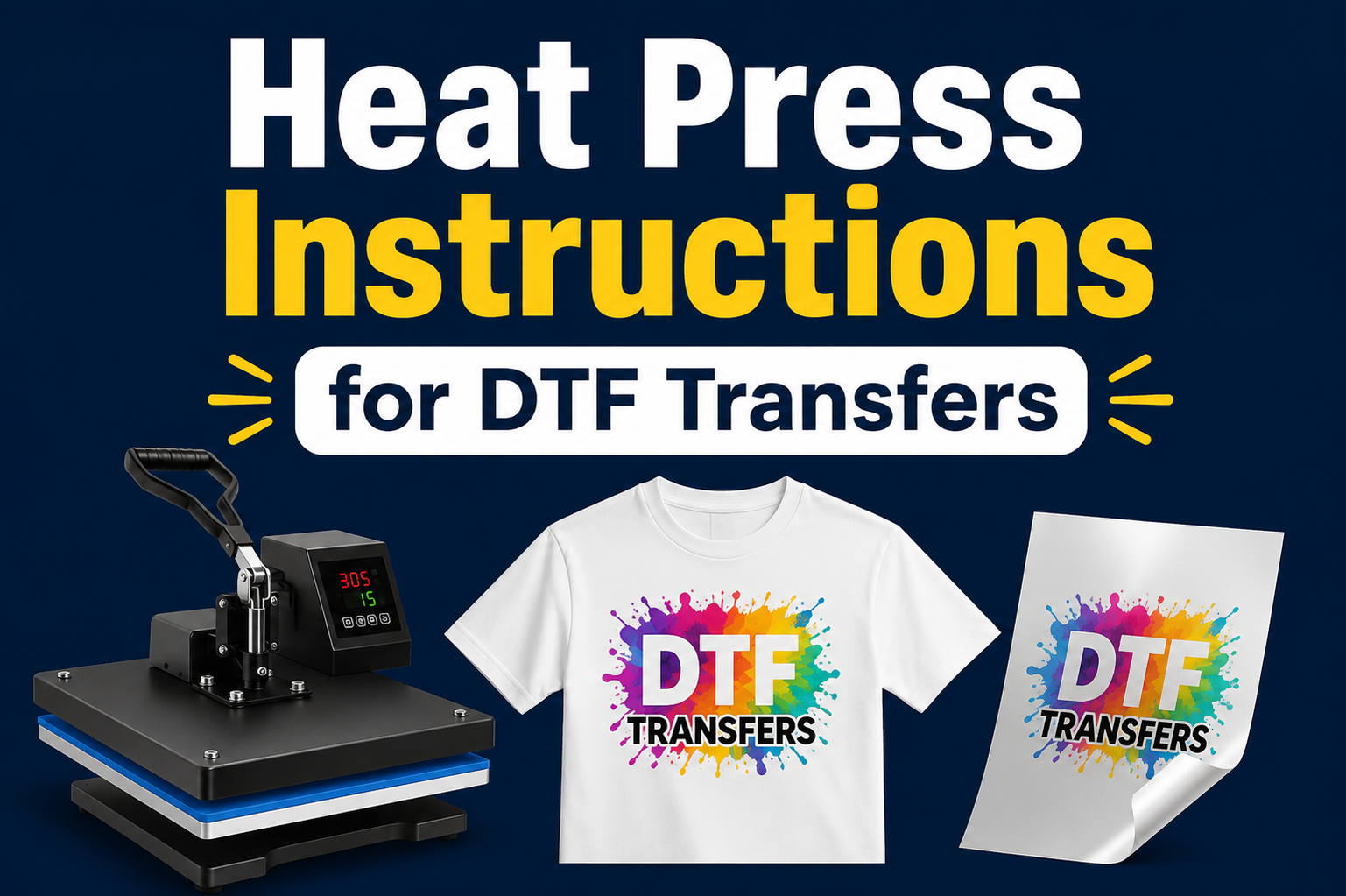
Heather fabrics with a high polyester content can scorch or get shiny if you press at too high a temperature. At Perfect DTF Transfers, we recommend:
- Temperature: 280–300°F (138–149°C)
- Time: 5–10 seconds
- Pressure: Medium-firm
Always do a test press on a scrap piece or a hidden seam before committing to the full transfer.
Tri-Blend Needs a Little Extra Care
The rayon in tri-blend heather is the most heat-sensitive fiber in the mix. Keep your press on the lower end of the temperature range (280°F) and use a Teflon sheet or parchment paper to protect the fabric surface.
The Heather Texture Adds Character
Because heather fabric has a slightly uneven texture, your DTF transfer will conform to that texture slightly. On most designs, this actually looks amazing it gives the print a vintage, lived-in feel. On ultra-fine details, just be aware the texture may be slightly visible.
Common Questions About Heather Fabric and DTF Printing
Will my DTF transfer crack on heather fabric? Not if it's applied correctly and cared for properly. Follow the pressing instructions (280–300°F, 5–10 seconds, medium pressure) and wash inside-out in cold water.
Can I use sublimation on heather fabric instead of DTF? Only if the heather is 100% polyester. For cotton-poly and tri-blend heathers, DTF is the better choice it works on all fiber types and gives you vibrant, full-color results.
Does the heather texture affect how the design looks? Slightly, but usually in a good way. Most designs on heather fabric take on a naturally vintage-inspired look. For photorealistic prints, just keep expectations realistic.
What colors of heather work best? Lighter heather colors (gray, pink, blue, lavender) tend to show DTF designs most vibrantly. On darker heathers (charcoal, navy, forest), the white ink base layer in your DTF transfer ensures your design still pops.


Leave a comment
This site is protected by hCaptcha and the hCaptcha Privacy Policy and Terms of Service apply.