
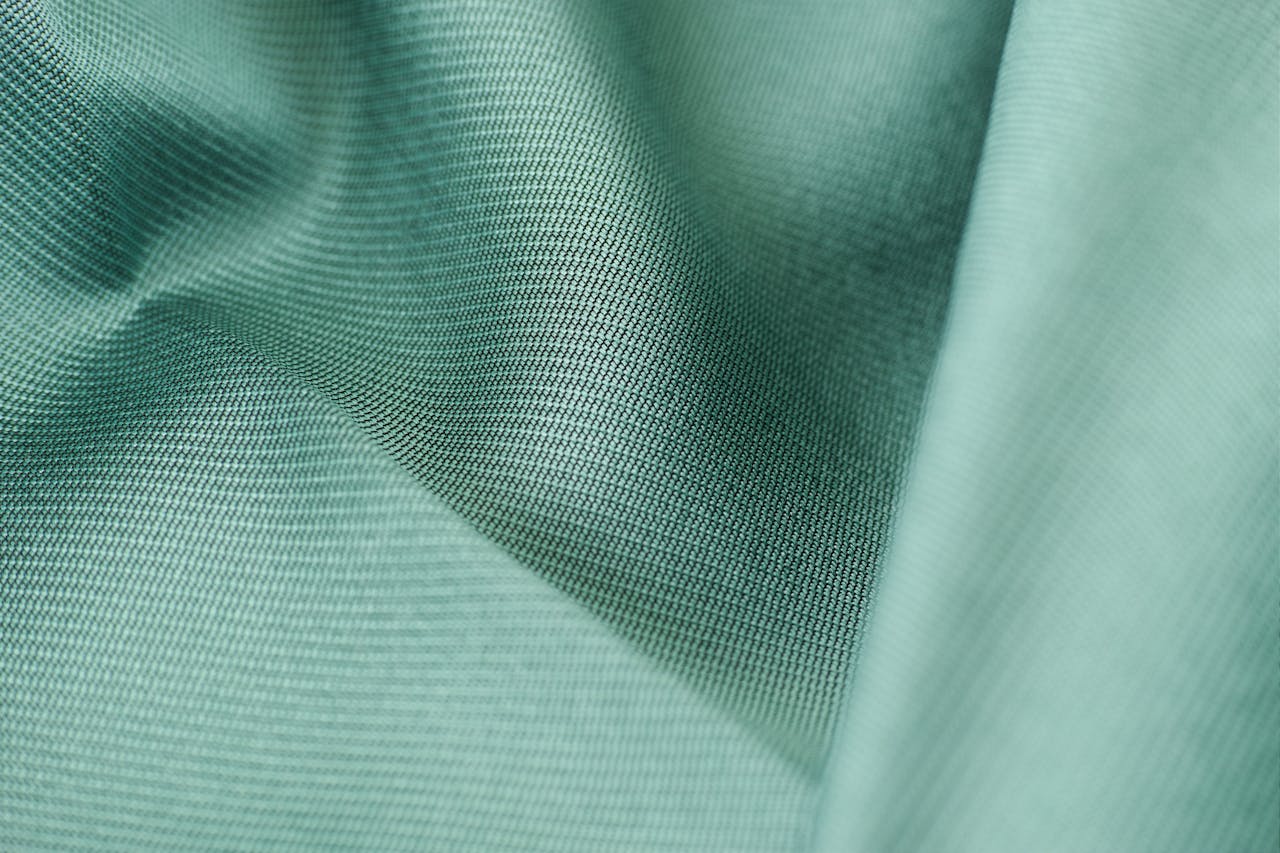
If you've ever handled a classic polo shirt and noticed that distinctive waffle-like texture on the fabric that's piqué. It's one of the most recognizable fabrics in the apparel industry, and it's hugely popular for corporate wear, golf shirts, school uniforms, and sports teams.
But when it comes to custom printing especially DTF transfers piqué fabric has some quirks you need to understand before you press. Let's break it all down.
What Is Piqué Fabric?
Piqué (pronounced "pee-KAY") is a woven or knit fabric with a distinctive raised, textured pattern. The word comes from French, meaning "quilted" or "pricked" a reference to the way the weave creates a pattern of small, evenly-spaced bumps or channels across the fabric surface.
The most common piqué pattern is the waffle piqué, those uniform raised squares you see on the body of most polo shirts. There are other patterns too, like honeycomb and birdseye piqué, but waffle is by far the most popular.
What Is Piqué Made Of?
Most piqué fabric is made from 100% cotton or a cotton-polyester blend. A few things that define it:
- Texture: The raised weave pattern gives it that recognizable bumpy feel
- Breathability: The textured surface allows more airflow than flat-knit fabrics great for warmer weather
- Durability: Piqué is more resistant to wrinkles and holds its shape better than jersey cotton
- Appearance: It looks more formal and structured than a standard t-shirt
This combination of comfort, durability, and a slightly more polished look is exactly why piqué became the go-to fabric for polo shirts, and why it's so popular for corporate and school uniforms.
Types of Piqué Fabric
1. Waffle Piqué (Most Common)
The classic polo fabric. A grid-like pattern of raised squares covers the surface. Commonly used in polo shirts, casual button-downs, and performance wear.
2. Honeycomb Piqué
A hexagonal raised pattern that looks, you guessed it like a honeycomb. Slightly softer-looking than waffle piqué. Often used in higher-end polo shirts and dress shirts.
3. Birdseye Piqué
A tighter, smaller pattern that creates tiny diamond-like shapes across the fabric. More formal in appearance, commonly used in dress shirts and formalwear.
4. Ottoman Piqué
A horizontal ribbed pattern, similar to Ottoman fabric. Often used in structured pieces like blazers and skirts rather than t-shirts or polos.
DTF Transfers on Piqué Fabric: What You Need to Know
Here's where it gets important for anyone in the custom printing business.
The short answer: Yes, DTF transfers work on piqué fabric, but the textured surface requires some extra attention to get a clean, professional result.
The Challenge: Surface Texture
Piqué fabric's raised weave means the print surface isn't perfectly flat. When you apply a DTF transfer, the adhesive needs to bond to both the raised ridges AND the recessed channels of the weave. If your press time, temperature, or pressure is off, you can end up with edges that don't fully adhere.
The Solution: More Pressure and Time
To get a solid bond on piqué:
- Temperature: 295–305°F (slightly higher than flat fabrics to push adhesive into the texture)
- Time: 10–12 seconds (longer than a flat jersey cotton tee)
- Pressure: Firm, you want the platen pressing firmly into the texture
- Peel: Hot peel, immediately after pressing
Always do a final press (cover with parchment, press 5 more seconds) to seal the edges of your design.
Design Considerations for Piqué
Because of the texture, designs with very fine details (thin lines, tiny text) may not come out as crisp on piqué as they would on a smooth cotton tee. For best results:
- Use bold, clean designs
- Avoid extremely thin lines (under 1–2pt)
- Stick to larger graphic elements that read well on a textured background
- Keep minimum text size at 12pt or larger
For most standard logos, team names, and graphic prints piqué works beautifully.
Piqué vs. Jersey: What's the Difference?
A lot of beginners confuse piqué with jersey fabric, they're both used in casual and semi-casual tops, but they're quite different.
| Feature | Piqué | Jersey |
|---|---|---|
| Texture | Raised, textured (waffle pattern) | Smooth, flat |
| Stretch | Minimal | High stretch (4-way) |
| Formality | Semi-formal, structured | Casual |
| Breathability | High (due to texture) | Medium |
| Common Use | Polo shirts, uniforms | T-shirts, hoodies |
| DTF Pressing | Needs more pressure/time | Standard settings |
For custom t-shirt orders, jersey is your go-to. For corporate wear, school uniforms, sports teams, and golf shirts piqué is the fabric of choice.
Is Piqué Right for Your Custom Apparel Business?
If you're getting orders for:
- Corporate uniforms piqué polos are the standard
- School spirit wear polos for staff, teachers, or faculty
- Golf tournaments or country clubs piqué is expected
- Sports teams polo-style team shirts use piqué frequently
- Restaurants or hospitality staff uniforms commonly use piqué
...then yes, piqué is absolutely something you should be comfortable working with.
The key is adjusting your pressing settings for the texture more pressure, a few extra seconds, and a final press to lock everything down.
Perfect DTF Transfers: Ready for Any Fabric
Whether you're pressing on a classic cotton tee or a structured piqué polo, our transfers at Perfect DTF Transfers are formulated to perform. We print every order right here in Broussard, Louisiana using premium DTF equipment so you get consistent, vibrant results on whatever blank you're working with.
- ✅ No minimums order exactly what you need
- ✅ Same-day local pickup in Broussard & Lafayette
- ✅ Next-day nationwide shipping
- ✅ Works on cotton, polyester, blends, piqué, and more
- ✅ Family-owned since 2002 we know our stuff
Order your custom DTF transfers at perfectdtftransfers.com


Leave a comment
This site is protected by hCaptcha and the hCaptcha Privacy Policy and Terms of Service apply.